
One building defect. Proper investigation.
A targeted survey for cracking, dampness, roof leaks, movement, condensation, failed alterations and other defined property defects. We inspect the visible evidence, consider likely causes and explain the significance, repair options and any further investigation that is genuinely justified.
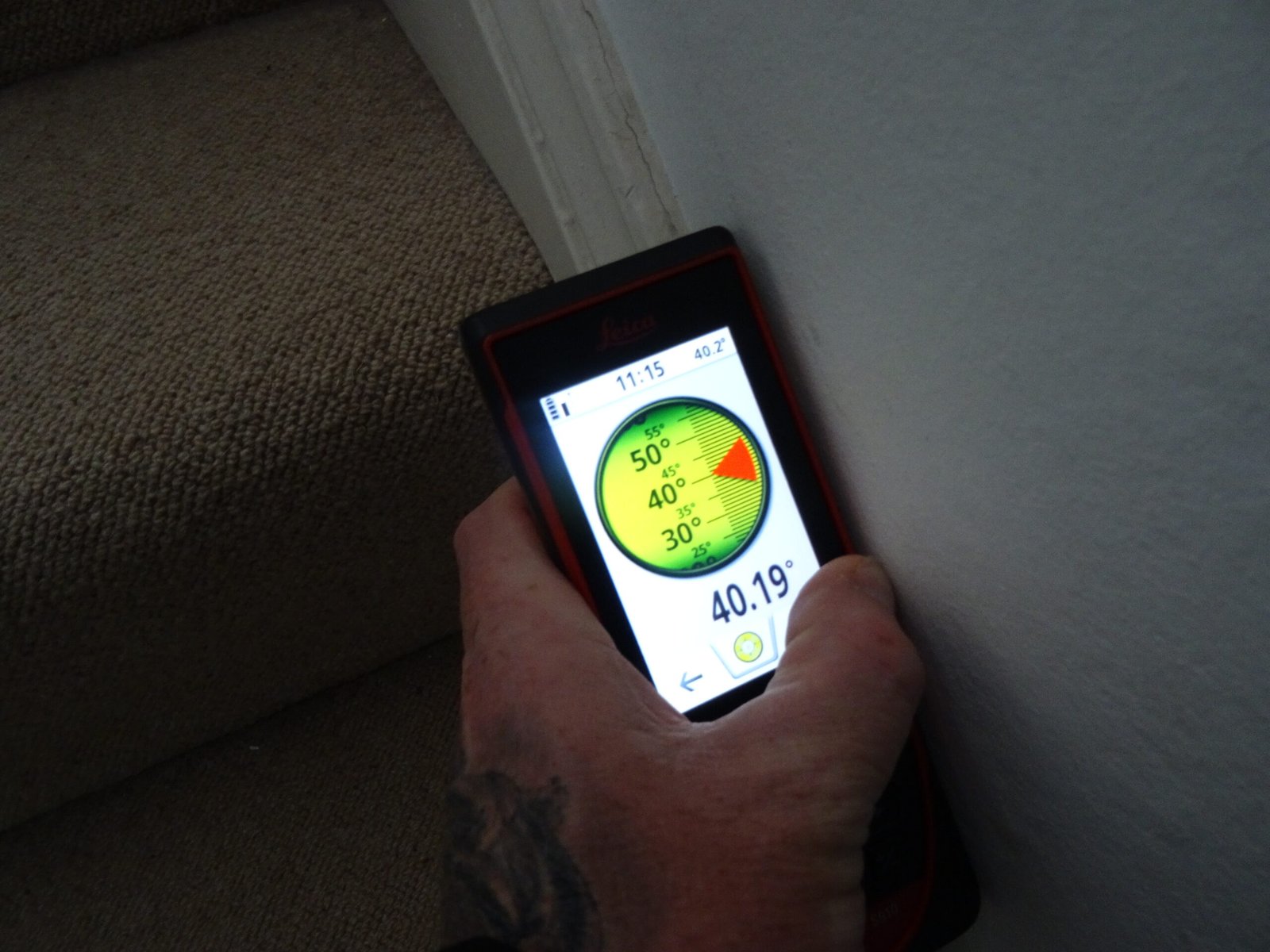
Visible symptoms are assessed in their building and construction context before advice is given.
What can a Specific Defect Survey investigate?
The service works best where one concern is already identifiable. The scope is agreed around that issue before attendance.
Cracking & movement
Localised cracking, masonry cracks, separation around openings and visible movement.
Dampness & moisture
Staining, mould, moisture readings and damaged finishes assessed in context.
Roof leaks & water ingress
Roof coverings, flashings, valleys, chimneys, junctions and associated staining.
Condensation & mould
Ventilation, heating, insulation and cold surfaces considered together.
Structural alterations
Removed walls, chimney breasts, widened openings and other visible alterations.
Timber & localised decay
Accessible timber deterioration and surrounding moisture conditions.
Render, masonry & pointing
Cracking, detachment, weathering and inappropriate previous repairs.
Drainage-related symptoms
Visible evidence associated with drainage, gullies or poor rainwater disposal.
Other isolated defects
Send photographs and a short explanation and we will confirm whether a targeted inspection is suitable.
Focused advice without commissioning a whole-house survey
A Specific Defect Survey is useful where the question is already defined and you need an independent opinion on that particular issue.
- A new defect has appeared
- A contractor has proposed expensive work
- A previous survey has raised one concern
- One known issue needs additional investigation
- You need written evidence for a contractor, insurer or legal adviser
Define the problem before we attend
We review the concern first, then concentrate the inspection on the evidence relevant to that defect.
Send the defect details
Send the address, photographs and a short description.
Agree the scope
We confirm whether a Specific Defect Survey is appropriate.
Inspect the evidence
The affected area and relevant surrounding construction are inspected.
Receive the report
You receive the findings, likely causes, significance and recommended next steps.
Evidence, interpretation and a practical next step
The report remains focused on the instructed defect rather than unrelated commentary about the whole property.
Observed condition
Visible evidence supported by relevant photographs.
Likely cause
Likely mechanisms and relevant contributing factors.
Significance
What the defect may mean for the building.
Recommended action
Repair, monitoring, maintenance or specialist advice.
Further investigation
Targeted recommendations where further evidence is genuinely required.
A visual survey cannot answer every concealed question
Non-destructive unless agreed otherwise
Fixed finishes and concealed construction are not opened without a separately agreed scope.
Moisture readings are evidence, not a diagnosis
Readings are interpreted alongside construction, ventilation, exposure and other evidence.
Cracking may require monitoring
A single inspection records conditions at one point in time.
Specialist investigation remains separate
The service does not replace specialist structural, drainage, electrical or laboratory testing.
Specific defect or whole-property survey?
Choose a Specific Defect Survey when:
- There is one clearly defined concern
- You need focused diagnostic advice
- The rest of the property is outside the scope
- You want a concise written opinion
Choose a Level 3 Building Survey when:
- You are buying the whole property
- There are several unrelated concerns
- The property is older or extensively altered
- You need broader repair priorities and cost guidance
Is the question broader than one isolated roof leak?
For a dated condition record of a defined flat-roof area, the dedicated Flat Roof Inspection service may be more appropriate.
Specific Defect Surveys in Bristol and surrounding areas
Available across Bristol and South Gloucestershire, with selected nearby locations considered by agreement.
A single defect inspection may be too narrow
If you are preparing to sell and want the whole property considered rather than one isolated concern, see our Pre-Sale Property Survey.
Before booking a Specific Defect Survey
Is this the same as a single defect survey?
Yes. Hunter Ellis uses Specific Defect Survey as the service name.
Can you tell me whether a crack is subsidence?
We can assess the visible evidence and likely significance, although monitoring or further specialist investigation may sometimes be required.
Can you diagnose rising damp?
The inspection considers the moisture evidence rather than beginning with a predetermined diagnosis.
Can the report be sent to my contractor or insurer?
Yes, although formal reliance depends on the agreed purpose and terms of the instruction.
Do you carry out destructive opening-up?
Not as part of the standard inspection.
What should I send before you quote?
Send the property address, photographs and a short explanation of the concern.
Request a Specific Defect Survey quote
Send the property and defect details below. We’ll review the concern, confirm whether a targeted inspection is appropriate and provide the scope, availability and fee.
Got a property defect you need properly understood?
Send the details and we’ll review whether a Specific Defect Survey is appropriate before confirming the scope and fee.