
A building survey has identified problems with the property you hope to buy. What should you do next?
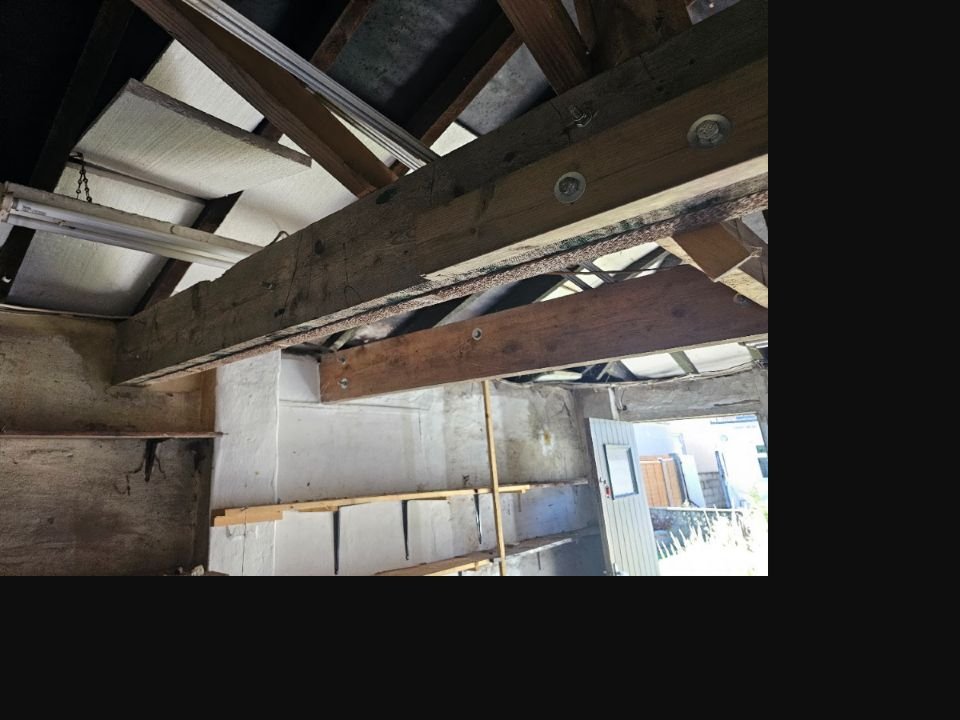
First, do not judge the property by the number of defects listed. A detailed survey can record everything from routine maintenance to significant concerns. The useful question is not “Is the report long?” but “Which findings affect safety, cost, timing or the decision to proceed?”
Start with the priorities
Read the report as a decision-making document. Separate urgent repairs and significant risks from items that can be monitored or included within normal maintenance.
In particular, pay attention to the surveyor’s explanation of cause, consequence and recommended action rather than focusing only on the headline defect.
A Level 3 Building Survey gives more detailed advice for older, altered or complex homes. Where agreed and appropriate, it may also include broad cost guidance. This can help you understand the likely scale of work rather than treating every item as equally serious.
Ask the surveyor questions
If a finding is unclear, speak to the surveyor while the inspection is still fresh. Useful questions include:
- Which issues should be addressed first?
- What could happen if the work is delayed?
- Is the suspected cause reasonably clear, or is further investigation needed?
- What type of contractor or specialist should inspect the issue?
- Could planned alterations make the defect more important?
A survey is normally non-invasive, so the surveyor does not open up fixed finishes or concealed construction as part of the standard inspection. Therefore, the report cannot always confirm what is hidden.
For that reason, a recommendation for further investigation does not automatically mean the surveyor has found a serious defect. Instead, it may be the most responsible way to resolve uncertainty before exchange.
Raise legal enquiries
Send the report to your conveyancer and highlight matters involving alterations, extensions, boundaries, drainage, guarantees or approvals.
The physical condition and the legal paperwork form separate parts of due diligence. As a result, you may need to investigate both before exchange.
Your conveyancer can advise which enquiries to raise with the seller and which documents to request. A surveyor should not provide legal advice.
Obtain targeted quotations
Where cost or scope could affect your decision, obtain quotations from suitably experienced contractors. Give them the relevant report extract and ask for a clear description of the proposed work.
However, not every issue needs an immediate repair quotation. For specialist matters such as drainage, electrical installations, gas appliances or suspected structural movement, testing or further investigation may be the better next step.
Decide whether to proceed
The report may support several possible decisions. You might proceed as planned, budget for repairs, ask the seller to address a specific matter, renegotiate the price or withdraw.
However, renegotiation is a commercial discussion rather than an automatic entitlement. The right choice depends on the property, the evidence, the agreed price and your tolerance for risk.
A good survey does not promise a defect-free home. Instead, it gives you a clearer view of the building so you can make the decision with fewer surprises.
Turn the report into an action list
The UK Home Survey Action Planner helps you organise report findings, follow-up questions, quotations, priorities and progress in one place.
It does not interpret the survey or replace advice from your surveyor, solicitor or relevant specialists. Where the report recommends focused investigation, you can also read about a Specific Defect Survey before instructing repair work.
Need advice before you commit?
Hunter Ellis provides independent residential building surveys across Bristol, South Gloucestershire and selected surrounding areas.
Request a survey quotation with the property details, or review our Level 3 Building Survey service if you are buying an older, altered or more complex home.