
A roof can be vulnerable even when it is not leaking on the day of inspection. This anonymised case study explains how design, materials and exposure can reveal risks that a dry-weather viewing may miss.
Property and instruction
The property was an early twentieth-century terraced house that had been extended and altered. It was generally in good condition, but the roof coverings and concealed alterations required closer consideration during the Level 3 Building Survey.
What the inspection found
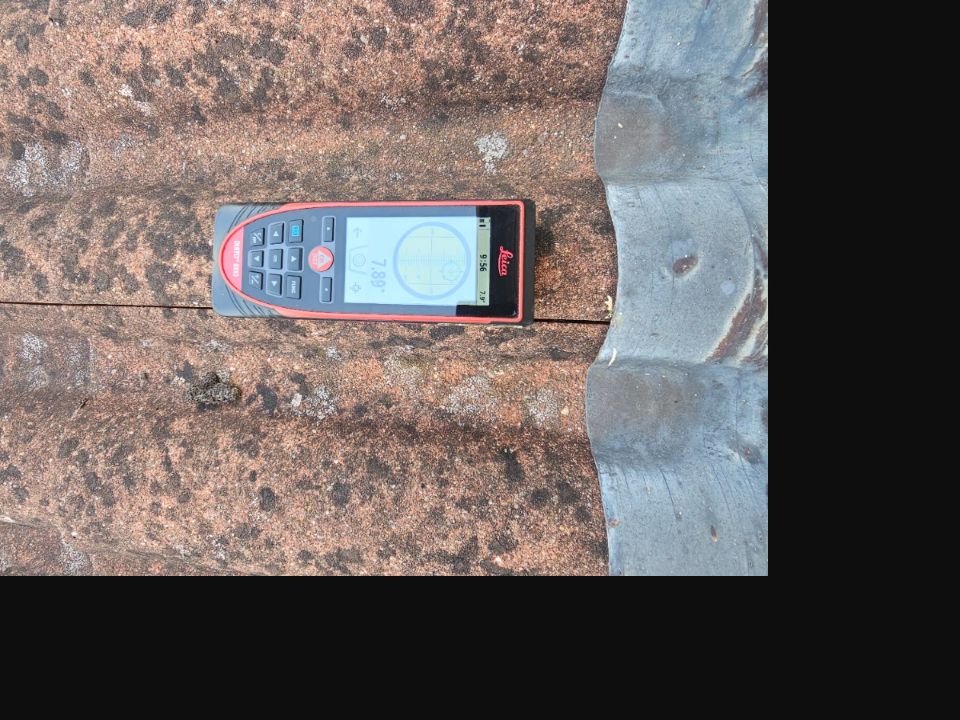
The rear roof had been covered with tiles at a pitch below the manufacturer’s usual recommended minimum. No active water penetration was visible at the time, but the shallow pitch reduced the margin for wind-driven rain and made workmanship, underlay and junction details more important.
Elsewhere there were broken or spalled tiles, deterioration to chimney flaunching and vulnerable roof junctions. Rainwater goods also required maintenance. These defects did not amount to evidence of widespread roof failure, but together they increased the likelihood of future maintenance and local water entry.
Why “no leak today” was not the end of the assessment
A visual survey records the conditions available on the inspection day. Roof performance can change with wind direction, prolonged rainfall, blocked gutters and seasonal temperature movement. The advice therefore distinguished between observed leakage and construction that was inherently more vulnerable.
Advice given
- Repair damaged tiles and defective chimney details.
- Have the shallow-pitched roof and its weathering details checked by a competent roofer.
- Maintain gutters and outlets so rainwater is carried clear of the building.
- Keep vulnerable junctions under review after heavy or wind-driven rain.
- Confirm approvals and supporting information for the loft conversion and other concealed alterations.
For ongoing ownership, the UK Home Maintenance Planner can help you schedule roof, gutter and seasonal checks and retain maintenance notes in one place; it does not diagnose defects or replace inspection.
The practical lesson
A useful building survey does not merely list visible damage. It considers how the roof was built, whether the materials are suitable for the pitch and what conditions could expose a weakness later.
This case study is anonymised and reflects a visual, non-destructive inspection of one property. Roof spaces, coverings and concealed layers may not all be fully accessible.
For a detailed pre-purchase inspection, see our Level 3 Building Survey. Where safe access is limited, a drone roof inspection may provide useful additional evidence. You can also contact Hunter Ellis for advice.