A house can look stable while important questions remain about previous structural alterations. This anonymised case study shows why documents, load paths and concealed supports matter during a purchase.
Property and instruction
The property was a modernised traditional terrace with substantial internal alterations. A Level 3 Building Survey was requested to assess the visible condition and identify matters requiring further investigation before exchange.
What the inspection found
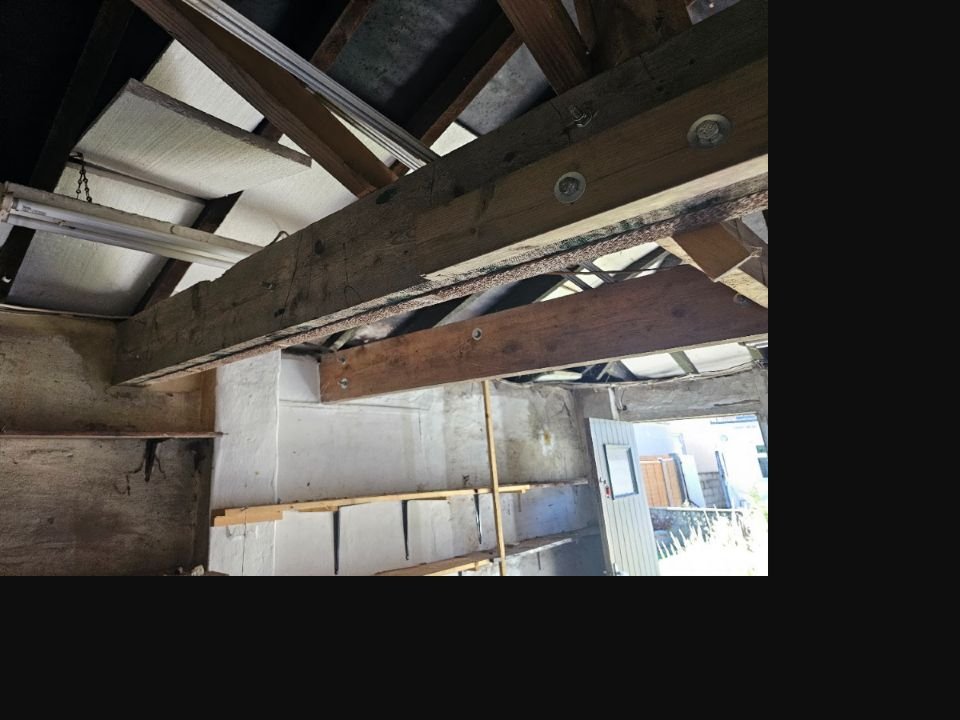
Parts of the chimney masonry had been removed from the upper floors and roof while sections remained below. Openings had also been widened and the roof arrangement altered. No immediate distress or convincing evidence of active foundation movement was visible, but the supporting members and revised load paths were largely concealed.
The absence of obvious cracking did not confirm that the work had been properly designed or approved. The survey therefore separated the observed condition from the documentary and structural evidence still needed.
Why records mattered
Building Regulations approvals, structural calculations and completion documents can help establish what was designed, how loads were intended to be supported and whether the work was inspected. Where records are unavailable, opening-up or an engineer’s inspection may be appropriate. This is especially important where chimney removal, roof alterations or widened openings affect several parts of the structure.
Advice given
- Request calculations, approvals and completion records for the alterations.
- Have the altered roof supports, retained chimney masonry and concealed beams reviewed if adequate documents cannot be produced.
- Do not treat the lack of visible distress as proof that concealed work is satisfactory.
- Resolve the position before exchange so the buyer understands any investigation, regularisation or remedial risk.
The practical lesson
A Level 3 Building Survey is not a structural calculation, but it can identify altered load paths, explain the limits of a visual inspection and direct the right next investigation. That can prevent a buyer inheriting uncertainty around undocumented work.
This case study is anonymised and reflects a visual, non-destructive inspection of one property. Concealed construction was not opened up and no claim is made about the eventual transaction outcome.
Buying an altered property? Explore our Level 3 Building Survey or our loft conversion and structural alteration drawing service. For a project-specific discussion, contact Hunter Ellis.