
Level 3 Building Surveys in Bristol
A detailed building survey for older, altered and more complex homes. We explain the building, identify significant defects and set out what needs attention, what can wait and where further investigation is justified.
Personally inspected and reported by Mark Tutton BSc (Hons) MSc MRPSA ACABE, with an MSc Surveying (Building Surveying). MRPSA: full membership of the Residential Property Surveyors Association.
Typical timings: Inspections are typically available within 10 working days, subject to property access and availability. Reports are normally issued within 5 working days after inspection. We confirm the expected inspection and reporting dates when you book.
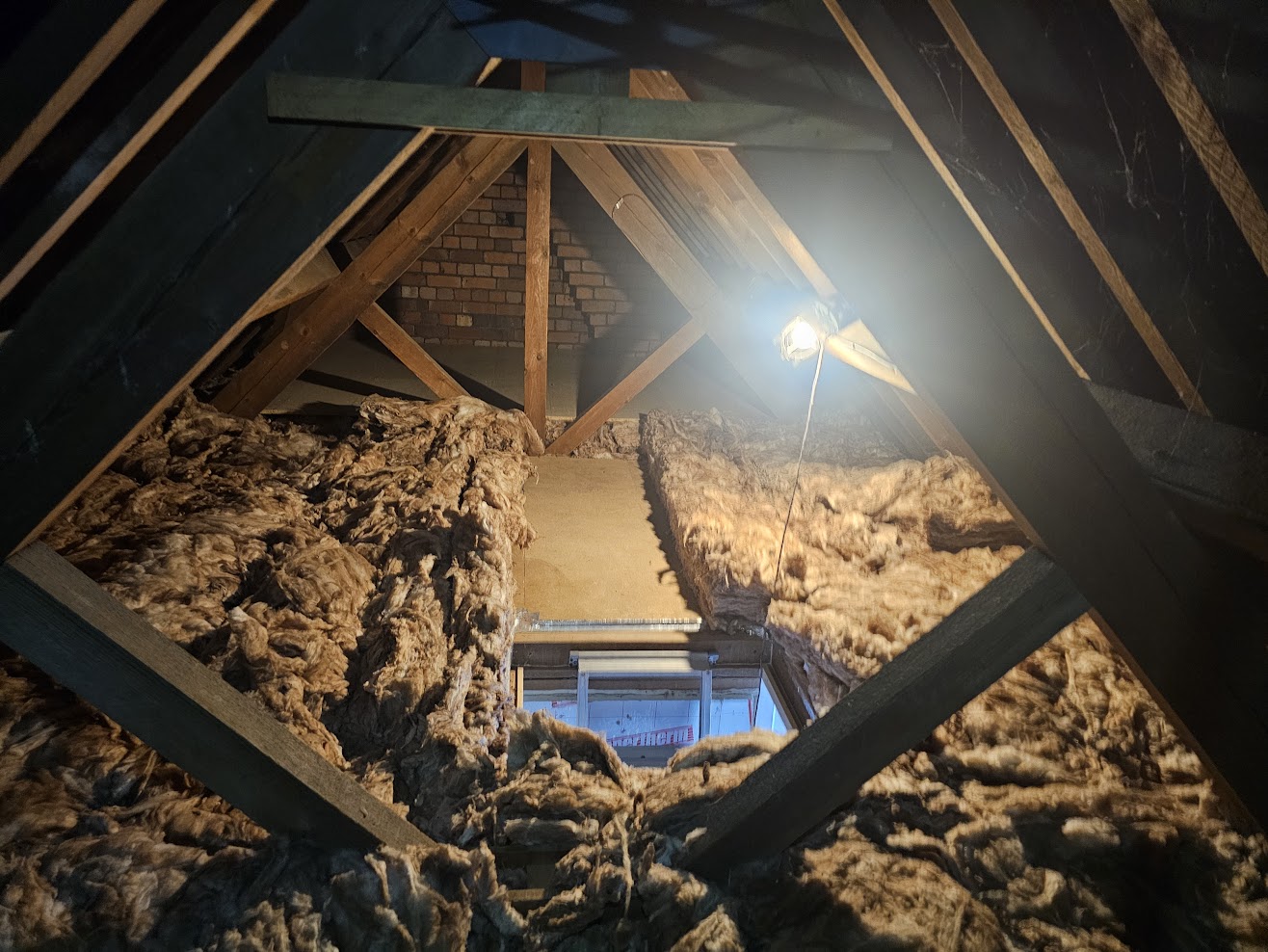
The report is supported by photographs of the building elements and defects inspected.
Designed for properties where more detail matters
A Level 3 survey is generally the better choice where the building is older, extensively altered, visibly defective or simply too complex for a shorter condition-focused report.
- Victorian, Edwardian and other older homes
- Properties that have been extended, converted or significantly altered
- Buildings with cracking, dampness, roof defects or other visible concerns
- Non-standard or mixed construction
- Homes requiring substantial refurbishment
- Properties where you want greater detail before exchange
A systematic assessment of the accessible building
We inspect the accessible parts of the property in detail, looking not only at visible defects but at how the building is constructed, how different elements interact and whether previous alterations may have introduced additional risks.
Roofs & chimneys
Roof coverings, flashings, valleys, chimney stacks, parapets, roof junctions and high-level defects visible from accessible viewpoints.
External walls
Masonry, render, cracking, movement, damp-related defects, pointing, openings, alterations and signs of deterioration.
Windows & joinery
Windows, doors, external joinery, glazing condition, weathering and obvious maintenance or safety concerns.
Roof spaces
Accessible lofts and roof voids, including structure, coverings viewed internally, insulation, ventilation, staining and visible timber defects.
Internal elements
Walls, ceilings, floors, fireplaces, stairs, finishes and visible evidence of movement, moisture, alteration or deterioration.
Services
A visual surveyor’s assessment of accessible electrical, heating, plumbing and drainage components, with specialist testing recommended where appropriate.
Grounds & boundaries
Accessible external areas, retaining and boundary structures, drainage indicators, levels and defects that may affect the property.
Outbuildings
Permanent garages and significant outbuildings within the agreed inspection scope, subject to safe access.
High-level inspection
Drone imagery may be used where appropriate, lawful and safe to improve visibility of roofs and other high-level elements.
Clear advice, not just observations
Finding a defect is only the first part. The report explains why it matters and what should happen next, helping you prioritise repairs and decide whether further information is needed before purchase.
Property construction
Explanation of the building’s principal construction, materials and relevant alterations.
Defect analysis
Observed defects with likely causes, implications and balanced recommendations for repair, monitoring or further investigation.
Photographic evidence
Relevant photographs throughout the report to show important defects, construction details and areas of concern.
Repair priorities & cost guidance
Summary of significant works and indicative budgeting guidance where it is reasonable to provide it.
Further investigations
Targeted recommendations where specialist testing, opening-up or professional advice is genuinely warranted.
Matters for your legal adviser
Relevant issues such as approvals, alterations, guarantees, access, rights or documentation that should be checked during conveyancing.
From quotation to report
We gather useful property information before inspection, inspect the building in context and then turn the findings into a practical report you can use during the purchase.
Property review
Send the address and listing link. We review the property and confirm the appropriate survey scope and fee.
Desktop research
Relevant property and location information is reviewed before reporting so the building is considered in its wider context.
Detailed inspection
The accessible property is inspected systematically, with additional high-level imagery used where appropriate and practicable.
Written report
You receive a detailed report explaining the material findings, repair priorities, risks and recommended next steps. Once you have read the report, we arrange a live video call with Mark to answer any unanswered questions and discuss the findings, repair priorities and next steps in more detail.
Older homes often need interpretation, not alarm
Many defects found during a Level 3 survey are repairable and expected for the age of the property. The important part is understanding which issues are routine, which are costly and which warrant action before exchange.
Moisture & dampness
Leaks, condensation, bridged damp-proof courses, defective rainwater goods and moisture problems associated with inappropriate materials or poor ventilation.
Cracking & movement
Assessment of visible cracking in context, including likely causes and whether monitoring, repair or structural investigation is proportionate.
Roof defects
Ageing coverings, failed flashings, chimney deterioration, poor junctions, damaged underlays and defects that may lead to water penetration.
Historic alterations
Removed walls or chimney breasts, extensions, conversions and other changes where support, approvals or construction details may need checking.
Timber & ventilation
Visible decay risks, restricted sub-floor or roof-space ventilation and conditions that may increase the likelihood of moisture-related deterioration.
Deferred maintenance
Accumulated repairs that may individually appear minor but together create a meaningful short or medium-term maintenance budget.
Indicative cost guidance where it helps the decision
Why we include it
A defect is more useful in context when you understand the likely scale of the work. Where appropriate, the report provides broad cost guidance to help with budgeting and prioritisation before purchase.
What it isn’t
Cost guidance is indicative rather than a contractor’s quotation. Competitive contractor quotations should be obtained before relying on costs for contractual or funding purposes.
More detail isn’t automatically better for every home
Level 3 is intended for situations where the building, its condition or your risk exposure justifies deeper inspection and more extensive reporting.
For a conventional property in reasonable condition, a Level 2 survey may provide the proportionate level of advice you need.
Level 3 is particularly useful when:
- You are buying an older property
- Significant alterations are visible or suspected
- You already know there are defects
- You expect substantial repairs or refurbishment
- You want more explanation of construction and repair implications
Why Mark’s background helps on older and altered homes
Survey findings are interpreted using hands-on construction knowledge alongside experience in residential surveying, defect investigation, insurance claims and architectural technology.
That broader view helps distinguish evidence of material risk from expected age-related maintenance and recognise where previous alterations need closer attention.
Experience relevant to a Level 3 survey
Mark Tutton BSc (Hons) MSc MRPSA ACABE holds an MSc Surveying (Building Surveying), awarded with Commendation by Northumbria University, alongside his BSc (Hons) in Architectural Design & Technology. Read about professional status and choosing your surveyor.
- Work within chartered building consultancies and established surveying practices
- Level 3 inspections, report writing, schedules and pricing
- Residential defect, subsidence and general-loss claims
- Architectural design and technical understanding of alterations
- Each Hunter Ellis survey personally inspected and reported by Mark
Level 3 surveys in Bristol and South Gloucestershire
Bristol and South Gloucestershire are the core survey area. Selected nearby locations can be considered by agreement, depending on the property and inspection schedule.
Understand visible condition issues before a buyer’s survey raises them
If you own the property and want a clearer understanding of its condition before or during marketing, our Pre-Sale Property Survey provides an independent seller-commissioned assessment of visible defects, repair priorities and matters that may justify further investigation.
Before booking a Level 3 survey
Is a Level 3 Building Survey the same as a structural survey?
A Level 3 Building Survey is a detailed condition survey rather than an invasive structural engineering investigation.
Will you inspect the roof with a drone?
Drone imagery may be used where appropriate, lawful, safe and useful.
Do you test the electrics, gas or drainage?
The survey includes visual assessment rather than specialist safety or performance testing.
Can you see hidden defects?
No. The standard inspection is non-destructive and relevant limitations are recorded.
Can I use the report to renegotiate the purchase price?
The report may provide useful evidence about significant repair liabilities, although any renegotiation remains a commercial matter between the parties.
What do you need to provide a quotation?
Send the property address or postcode and preferably the Rightmove, Zoopla or estate-agent listing.
Client feedback
What clients say about their surveys
Read Google reviews of Hunter Ellis, including the written report and follow-up advice.


Request a Level 3 Building Survey quote
Send the property details below. We’ll review the building, confirm whether Level 3 is proportionate and confirm the scope, availability and exact fee.
Buying an older or altered property?
Level 3 Building Surveys from £995 including VAT.
Send the property details and we’ll review the property, confirm whether Level 3 is appropriate and provide the exact fee before you instruct.