
Choosing a building surveyor isn’t just about finding the lowest quotation. The inspection methods, who prepares the report, the photographs you receive and the support available afterwards can all affect how useful your survey is.
Before arranging a Level 2 Home Survey or Level 3 Building Survey, ask what the service actually includes. A professional survey should help you understand the building, distinguish significant concerns from normal maintenance and decide what to do next.
These ten questions will help you compare surveyors on more than price. We’ve also explained how Hunter Ellis approaches each point.
Why do building survey quotations vary?
Two surveyors may quote for the same level of survey, but the services included aren’t necessarily identical. Differences may include how difficult areas are viewed, who assesses the evidence and prepares the report, how much photographic information you receive and the support available after the report is delivered.
Fees also reflect the property’s age, size, construction and complexity. A lower quotation isn’t automatically a poorer service, just as a higher fee doesn’t guarantee a better one. The sensible comparison is what’s included, how it will be delivered and how useful the advice will be to you.
Our approach: We personally inspect the property, prepare the report, discuss our findings with you and remain available for reasonable follow-up questions. We use roof cameras and drones where appropriate to improve the evidence available.
What’s included in a Hunter Ellis Level 2 or Level 3 survey?
Our quotation covers a complete surveying service, not simply delivery of a written report. As appropriate to the property and agreed inspection scope, that includes:
- Direct surveyor involvement: Mark Tutton personally inspects the property, assesses the findings and prepares the report.
- Closer high-level visual evidence: telescopic roof camera poles or drones where safe, lawful and reasonably practicable.
- Accessible roof-space inspection: examining visible timbers, ventilation, insulation and relevant defects where access allows.
- Clear, proportionate recommendations: distinguishing material risks and necessary investigations from routine repair and maintenance.
- The wider photographic album: access to the survey images obtained, subject to privacy and data-protection considerations.
- Video feedback and aftercare: a personal video discussion after the Level 2 or Level 3 report and reasonable questions about the original findings afterwards.
These arrangements remain subject to the property, safe access and the agreed terms. They help explain the value of the overall service without implying that every defect can be found by a non-invasive survey.
Get a fixed quotation for your property or read on to see what to check when comparing surveyors.
What buyers say about our service
These excerpts are from genuine public Google reviews of Hunter Ellis.
“drone images of the roof are included for example so you can really see everything!”
Millie · October 2026
“Mark also gives you access to the many photos he takes”
Natalie · September 2026
“What really stood out was the follow-up call the next day to walk through the findings”
Jono · July 2026
“Mark has continued to be incredibly helpful, always available to answer questions and offer advice whenever we’ve needed it even after the purchase.”
Emanuel Nevado · October 2026
1. How will you inspect the roof and chimney?
Roofs, chimneys and high-level junctions can be difficult to assess from the ground. Ask what equipment the surveyor uses and how they deal with areas that can’t be seen adequately from accessible viewpoints.
Binoculars and views from windows may be appropriate in some circumstances. At other properties, high-level photography can help reveal displaced coverings, deteriorating chimney masonry, defective flashings or blocked valleys that would otherwise be difficult to see.
How we work: Hunter Ellis uses telescopic roof camera poles and high-resolution drone photography where useful and reasonably practicable. We consider those images alongside the roof-space and wider building inspection rather than treating aerial photographs as a diagnosis in themselves.
Drone use depends on weather, location, airspace requirements, site conditions and safety. Camera inspection also has limitations. Neither method can establish the condition of concealed materials or guarantee that a roof is watertight. If important areas can’t be examined, we explain what wasn’t visible and whether additional checks are justified.
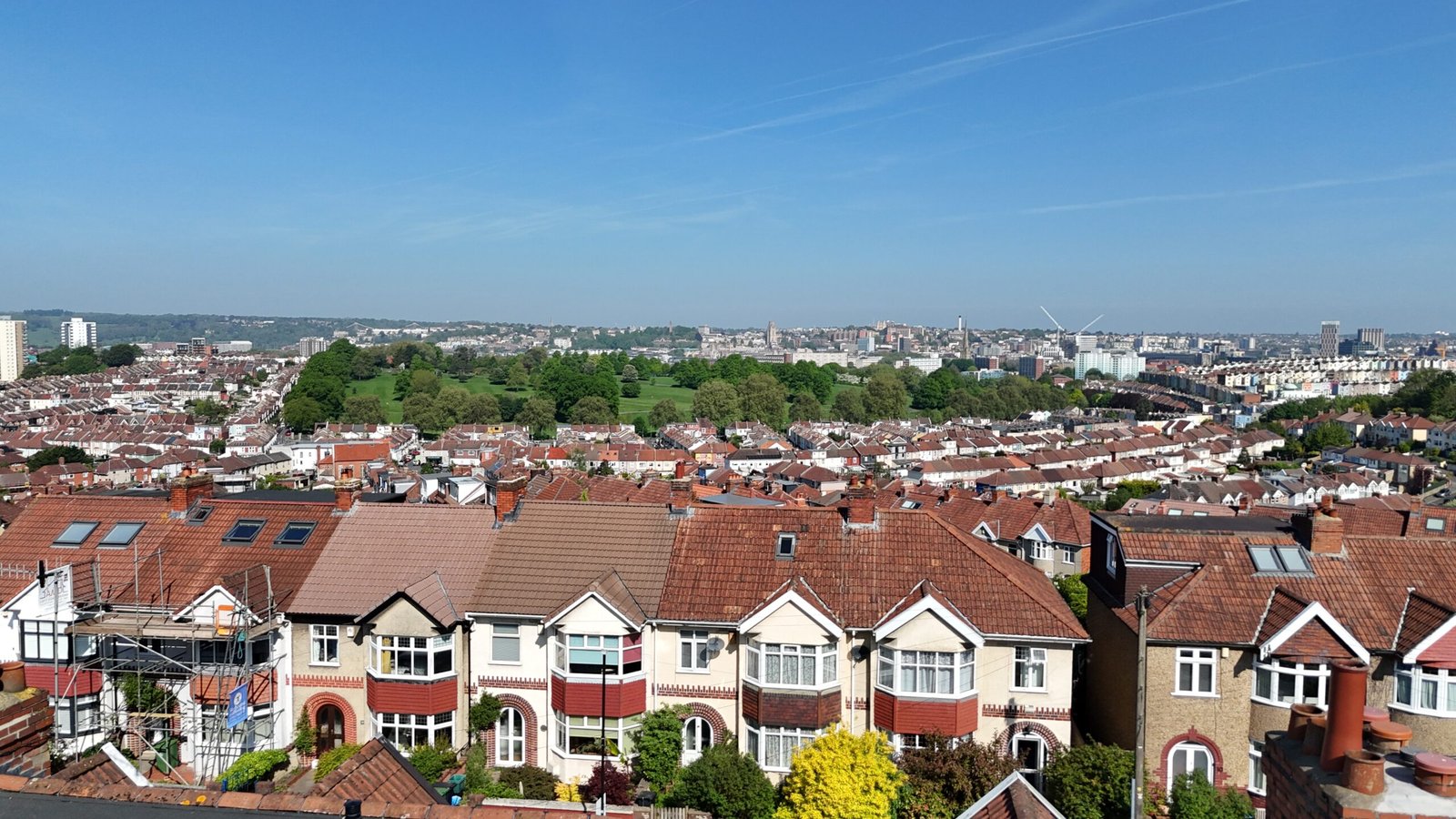
Read more: What our drone roof inspection service includes and what aerial images can and cannot establish.
2. Who will inspect the property and who will write my report?
Ask whether the person undertaking the inspection will also assess the evidence, write the report and answer your questions. Some firms use different people for these stages. This isn’t automatically a disadvantage, but it’s worth knowing who is accountable for the findings.
How we work: Mark Tutton personally reviews the property information, conducts Hunter Ellis building surveys and prepares the reports. When you discuss an observation with Mark, you’re speaking to the surveyor who was there and made the assessment.
3. Will you enter the roof space?
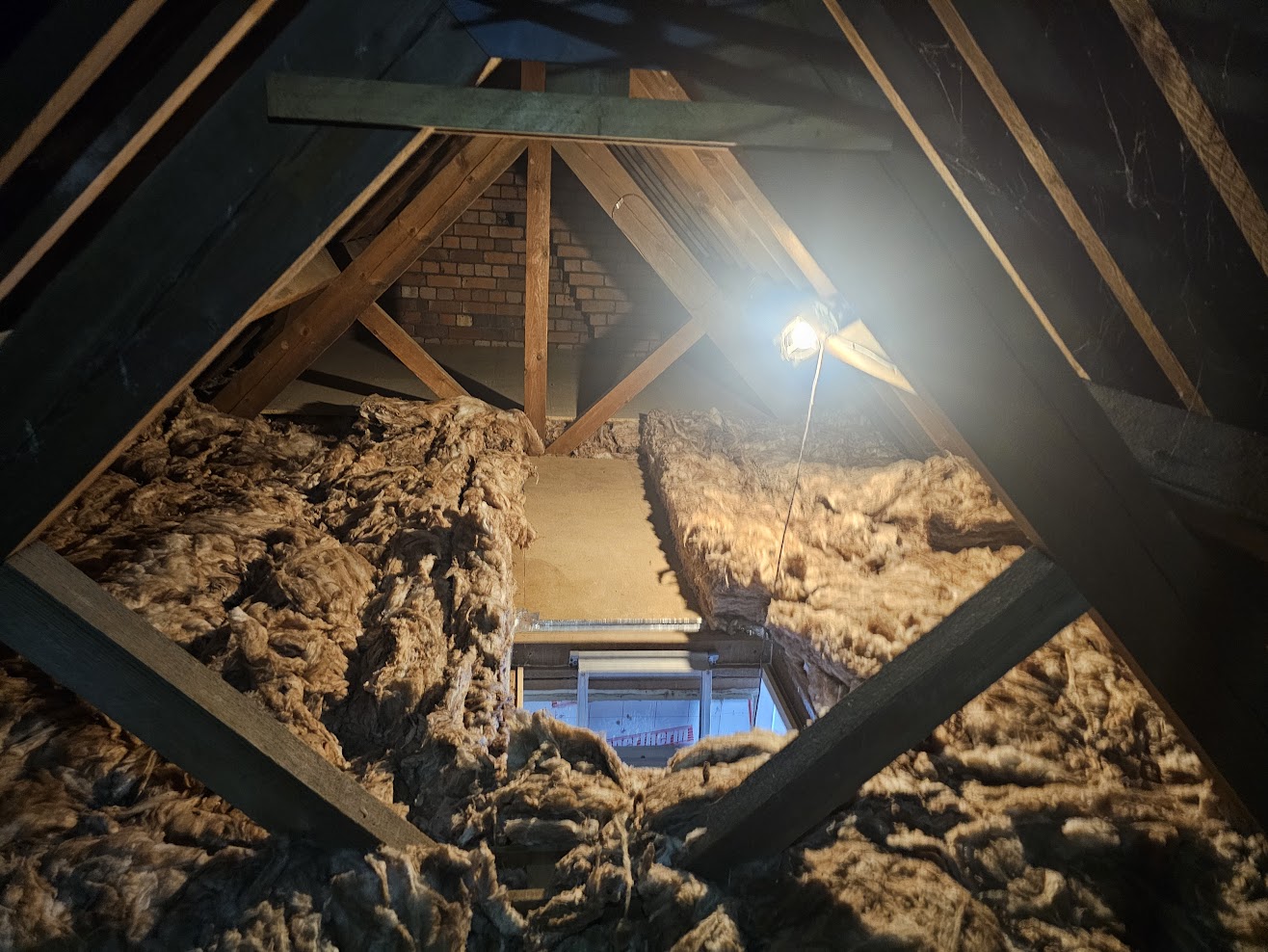
High-level external photography and internal roof-space inspection answer different questions. Accessible roof spaces can reveal timber alterations, visible moisture staining, ventilation issues, insulation arrangements and signs of deterioration.
How we work: We inspect accessible roof spaces on our Level 2 and Level 3 surveys where it is safe, permitted and reasonably practicable. Access depends on the hatch, ladder position, safe footing, stored belongings and other conditions encountered. We don’t take unsafe access risks or disturb building fabric simply to create the impression that everything has been examined.
Where access is restricted, the report records the limitation and recommends further action where proportionate.
4. What qualifications, memberships and relevant experience do you have?
Check the surveyor’s qualifications, professional memberships, relevant experience and professional indemnity insurance arrangements. Experience with buildings of a similar age, construction and condition is particularly relevant when buying older or altered property.
How we work: Mark Tutton BSc (Hons) MSc MRPSA ACABE holds a degree in Architectural Design & Technology and an MSc in Surveying (Building Surveying), awarded with Commendation. He’s a full member of the Residential Property Surveyors Association (MRPSA) and an associate member of the Chartered Association of Building Engineers (ACABE). His background combines construction, architectural technology and residential building surveying.
Read more about Mark’s background and professional memberships.
5. Will I receive the wider survey photographic record?
Reports generally contain selected photographs illustrating the important findings. Ask whether you’ll also be able to see the wider set of photographs recorded during the inspection.
How we work: Hunter Ellis provides clients with access to the survey photographic album as well as the images selected for the report, subject to appropriate privacy and data-protection considerations. This provides additional visual context and can be useful when speaking to contractors about identified defects. Images are evidence of visible conditions at the time, not a substitute for the written professional assessment.
6. Will you tell me which defects actually matter?
A long list of observations isn’t particularly helpful unless the report explains the seriousness of each issue. Not every crack is evidence of ongoing structural movement and not every high moisture reading proves a particular damp mechanism.
Ask whether the report distinguishes immediate safety risks, significant defects, investigations needed before purchase, planned repairs and normal maintenance.
How we work: Our reports aim to explain what was observed, the likely cause where the evidence supports one, the implications and the proportionate next step. We identify genuine risks without unnecessarily alarming clients. Our Level 3 reports may include broad repair cost guidance where appropriate, but contractor quotations remain necessary before committing to works.
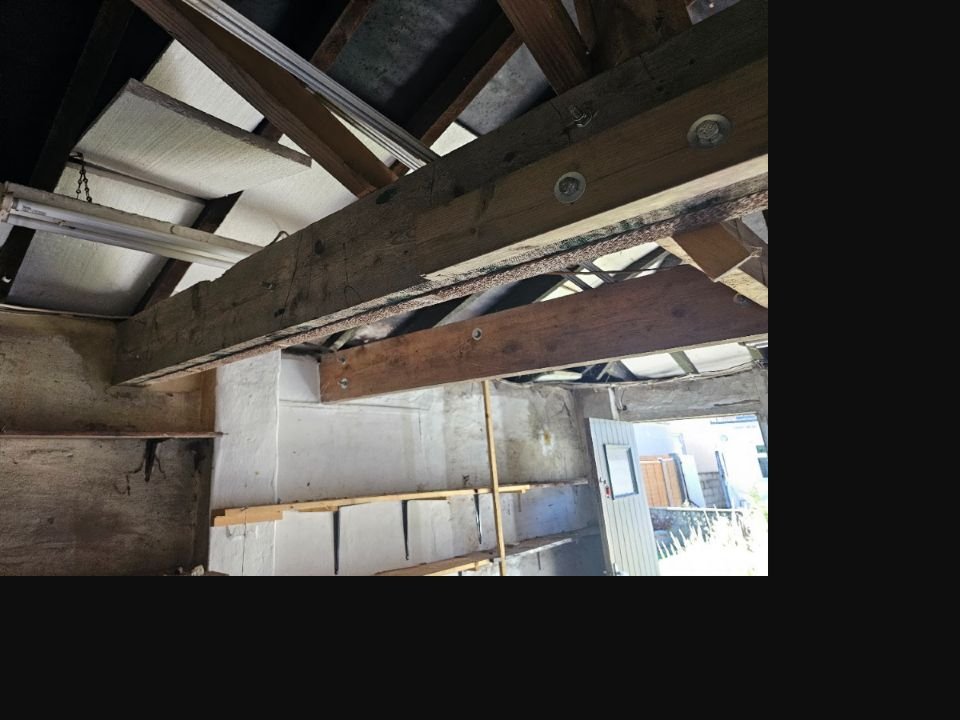
See what to do when a survey identifies problems or view an example Level 3 report.
7. Can I talk to the person who inspected the house?
A building survey may raise questions that are difficult to resolve by reading the report alone. Before instructing, ask whether a discussion with the surveyor is included and whether it takes place after you’ve had the chance to read the findings.
How we work: We include a personal video feedback call for our Level 2 and Level 3 surveys. You can ask Mark to explain the important findings, prioritise recommendations, put repairs into context and clarify what to ask your solicitor or contractor. You’re speaking directly to the person who inspected the property, not being passed to someone unfamiliar with the building.
8. What happens if I have questions after that call?
Further queries can arise after a solicitor reviews documentation or a contractor provides a quotation. Ask what follow-up support the surveyor offers after the initial discussion.
How we work: Our service doesn’t end automatically after the video call. Clients can contact us with reasonable follow-up questions concerning the original inspection and report. If new information calls for a separate investigation, reassessment or additional services, we’ll explain that distinction and any associated scope before proceeding.
9. How will you decide whether I need Level 2 or Level 3?
The most expensive survey isn’t automatically the best choice for every home. A Level 2 Home Survey is commonly suitable for conventional properties in reasonable condition. A Level 3 Building Survey provides a more detailed assessment and is more appropriate for many older, altered, unusual or visibly defective buildings.
How we work: We review the property listing and available information before recommending the appropriate level. We explain why a Level 2 or Level 3 survey is better suited to the building rather than automatically recommending the higher-fee option.
Compare the services in our Level 2 versus Level 3 guide.
10. Am I comparing the same service or just the same survey level?
Two Level 3 quotations don’t necessarily include identical inspection arrangements, photographs or post-report support. Ask exactly what the fee covers, whether VAT is included and what happens when an area can’t be inspected.
For a fair comparison, ask each surveyor the same questions:
- Who will inspect the property, assess the findings and write the report?
- How will high-level roofs and difficult areas be viewed, and what are the limitations?
- Will I receive a broader photographic record and a sample of the report format?
- Can I discuss the findings directly with the inspecting surveyor and ask further questions afterwards?
- What is included in the fixed quotation, including VAT, and what would require separate instruction?
How we work: Hunter Ellis provides individual fixed quotations including VAT and confirms the proposed scope before instruction. Our fees reflect the overall service: inspection, evidence assessment, personally prepared reporting, photographs and direct client support. You can also review a sample Level 3 report before booking.
A visual, non-invasive survey cannot establish every concealed defect. The right surveyor should explain these limitations, not claim to have examined everything. If further investigation is necessary, we’ll set out why and what should happen next.
A survey is more than a PDF
Two quotations can describe the same survey level but offer different arrangements for inspection evidence, client communication and follow-up. The best comparison is what each surveyor will actually do and how useful the finished advice will be to you.
At Hunter Ellis, we inspect the property, prepare your report, explain our findings and remain available to answer your questions. Our aim is clear, balanced advice that helps you make an informed buying decision.
Looking for a building surveyor in Bristol?
We provide independent Level 2 Home Surveys, Level 3 Building Surveys and targeted defect inspections across Bristol, South Gloucestershire and selected surrounding locations.
Send us the property address or estate-agent listing. We’ll review the information, recommend a proportionate survey level and provide an individual fixed quotation including VAT.
Request your building survey quotation
Want to see the service before enquiring? Explore our Level 2 surveys, Level 3 surveys and roof inspection services, or read our public Google reviews.
Inspection methods and access depend on site conditions, permissions, safety and the agreed terms of engagement. Reports describe visible evidence at the time of inspection and do not replace specialist testing or opening-up works where these are needed.