
Independent building surveys
Building surveys in Bristol
Know what you are buying and which repairs matter before exchange. Mark Tutton BSc (Hons) MSc MRPSA ACABE personally inspects and reports on every Hunter Ellis survey. We help you choose between Level 2, Level 3 and a focused defect inspection, with clear photographs, practical next steps and direct follow-up with your surveyor.
Read a sample report · Check Mark’s qualifications and experience
What does MRPSA mean?
MRPSA identifies a full member of the Residential Property Surveyors Association, a professional body focused on residential surveying, with defined inspection, reporting and conduct standards. Mark combines this membership with an MSc Surveying (Building Surveying), awarded with Commendation, and a practical construction background.
Read about RPSA membership on the official website (opens in a new tab) · Meet Mark and see his qualifications
Level 2 Home Surveys from £695 · Level 3 Building Surveys from £995.
Both prices include VAT.
Send the property postcode and Rightmove or Zoopla listing. We’ll review the property, recommend the proportionate survey level and confirm the exact fee before you instruct.
Typical timings: Inspections are typically available within 10 working days, subject to property access and availability. Reports are normally issued within 5 working days after inspection. We confirm the expected inspection and reporting dates when you book.
Choosing the right inspection
Which building survey does your Bristol property need?
The appropriate survey depends on the property rather than its purchase price alone. Age, construction, extensions, conversions, visible deterioration and your own plans for the building all affect the level of investigation that is proportionate.
Level 3 Building Survey
The most detailed whole-property survey offered by Hunter Ellis. It is generally suited to older, altered, unusual or visibly defective homes, and to properties where substantial repair or refurbishment is expected.
Level 2 Home Survey
A condition-focused inspection for conventional residential properties that appear to be in reasonable condition and have not been extensively altered.
Specific Defect Survey
A targeted inspection when one defined concern—such as cracking, dampness, movement or a roof defect—needs independent investigation and clear next steps.
Drone Roof Survey
High-resolution aerial imagery can improve visibility of roofs, chimneys, flashings and other high-level details where it is lawful, safe and useful.
Pre-Sale Property Survey
A seller-commissioned survey for homeowners who want to understand visible condition issues before or during marketing, rather than waiting for a buyer’s survey to identify them later.
Understanding local buildings
Bristol’s varied housing stock needs more than a generic checklist
Bristol contains a wide range of residential construction: Georgian and Victorian terraces, Edwardian villas, inter-war semis, post-war housing, former industrial buildings converted into flats and modern developments. The risks are not identical, and apparent defects should be interpreted in the context of the building’s age, materials and alterations.
- Weathered roof coverings, flashings and chimney details
- Moisture associated with rainwater goods, ground levels or poor ventilation
- Inappropriate hard cement repairs to traditionally constructed walls
- Suspended timber floors with restricted sub-floor ventilation
- Historic movement and cracking that requires proportionate interpretation
- Removed chimney breasts or altered internal walls
- Loft conversions and rear extensions where approvals should be checked
- Flat-management, repair and service-charge considerations
- Deferred maintenance across several building elements
- Older electrical, heating and drainage installations requiring specialist tests
These examples are not a diagnosis of any individual property. A survey remains a visual, non-destructive inspection subject to access, safety and the agreed scope.
Level 3 in practical terms
What a detailed report should help you understand
A useful Level 3 Building Survey does more than list defects. Hunter Ellis reports are structured to explain the visible condition, the likely cause of material issues, why they matter and whether repair, monitoring or further investigation is the proportionate response.
Construction and alterations
How the accessible building appears to be constructed, and where extensions, conversions or other changes may affect condition or require document checks.
Defects in context
Balanced commentary on significant findings, distinguishing ordinary age-related maintenance from matters likely to affect cost, safety or the purchase decision.
Repair priorities
Clearer separation between urgent work, short-term repairs, planned maintenance and recommendations for further specialist investigation.
Budget guidance
Indicative cost guidance for significant repairs where it is reasonable to provide it, while recognising that contractor quotations remain necessary.
A personal service
One surveyor from first review to post-report follow-up
Mark reviews the property information, undertakes the inspection and writes the report. There is no hand-off between surveyor and report writer, helping keep the process prompt, consistent and properly connected to the building inspected. Once you have received and read your report, a live video call with Mark gives you time to ask unanswered questions and discuss the findings, repair priorities and next steps in more detail.
- Send the property address and listing. We review its apparent age, size, construction and complexity.
- Receive a defined quotation. The recommended survey level, fee and scope are confirmed before instruction.
- Detailed visual inspection. Accessible internal and external areas are assessed systematically. Drone imagery may be used where appropriate and practicable.
- Read your report, then discuss it with Mark. After you have read the report, we arrange a live video call to answer your questions and explain the findings and next steps in more detail.
Areas commonly covered
Residential surveys across Bristol and nearby areas
Hunter Ellis regularly considers enquiries across Bristol, including Clifton, Redland, Bishopston, Horfield, Fishponds, Downend, Kingswood, Southville, Bedminster and surrounding districts, together with South Gloucestershire. Selected nearby locations can be covered by agreement depending on the property, service and inspection schedule.
A service-area reference does not imply a staffed office in each location.
Useful Bristol survey guidance
More information for Bristol homebuyers
How much does a building survey cost in Bristol?
A practical guide to survey fees and what affects the price.
Common defects in Bristol period homes
Recurring issues seen in Victorian and Edwardian properties.
What does a Level 3 Building Survey include?
See what the more detailed survey level is designed to cover.
See a sample Level 3 report
View an anonymised example of the reporting standard.
Common questions
Before arranging a building survey in Bristol
Is a Level 3 Building Survey the same as a full structural survey?
“Full structural survey” is an older phrase still used by many buyers. The formal service name used by Hunter Ellis is Level 3 Building Survey. It is a detailed condition survey, not an invasive structural-engineering investigation.
When should I arrange the survey?
It is normally commissioned after an offer has been accepted but before exchange of contracts.
Can a survey identify every hidden defect?
No non-destructive inspection can see through fixed finishes or into inaccessible construction.
What do you need to quote?
Send the full property address or postcode and, where possible, the Rightmove, Zoopla or estate-agent listing.
Evidence from real inspections
See how findings become useful advice
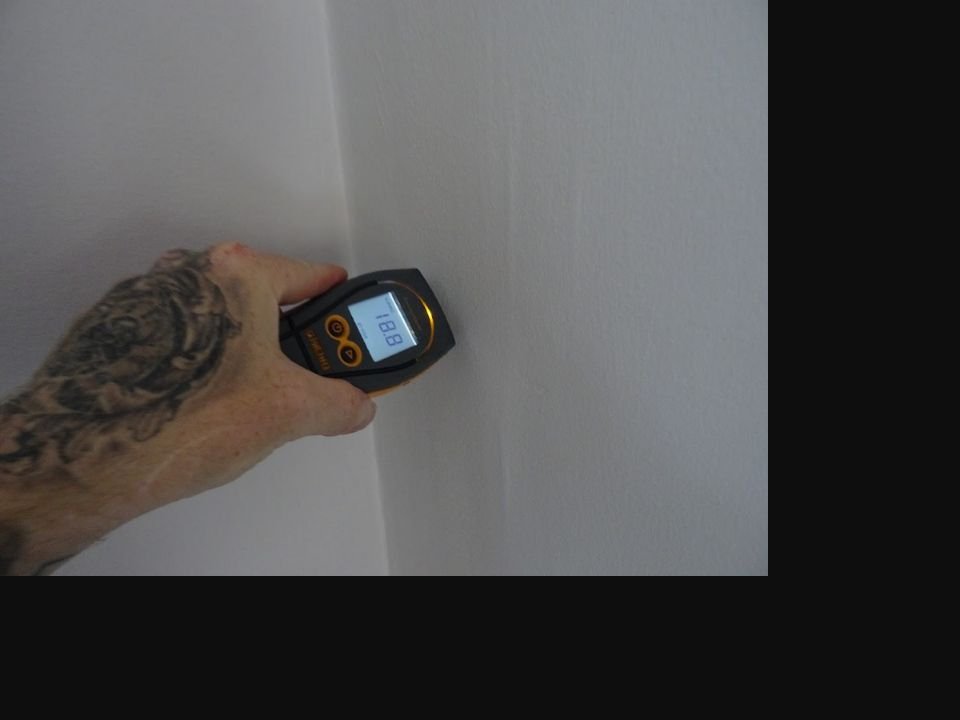
Moisture readings in context
Why a high number is evidence to investigate, not an automatic damp diagnosis.
Read the case study →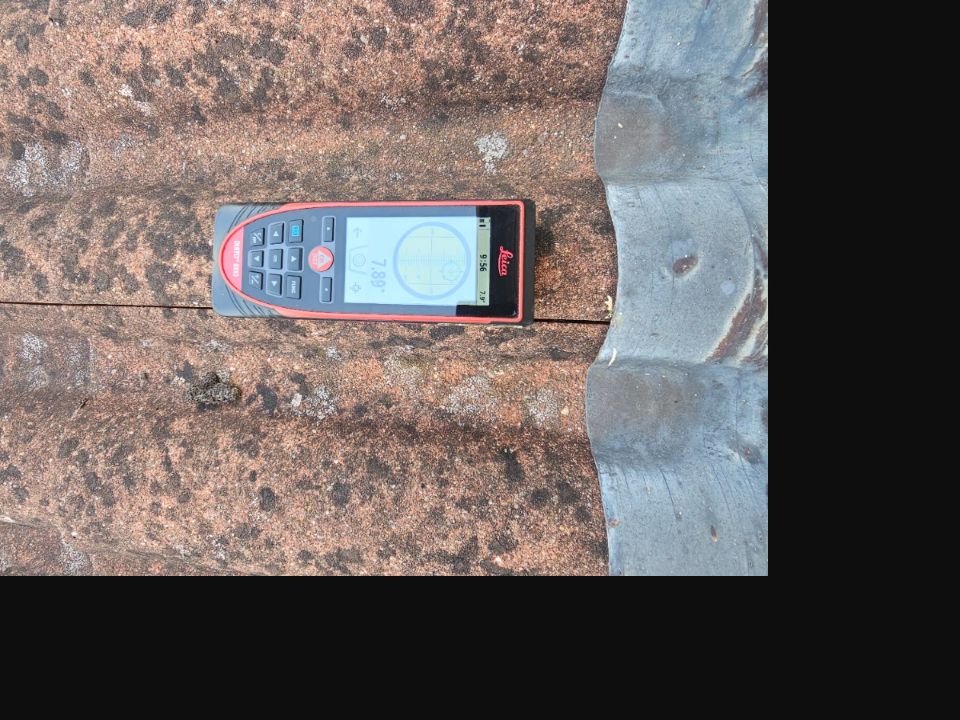
Low-pitched roof covering
How measured pitch and construction detail affect interpretation.
Read the case study →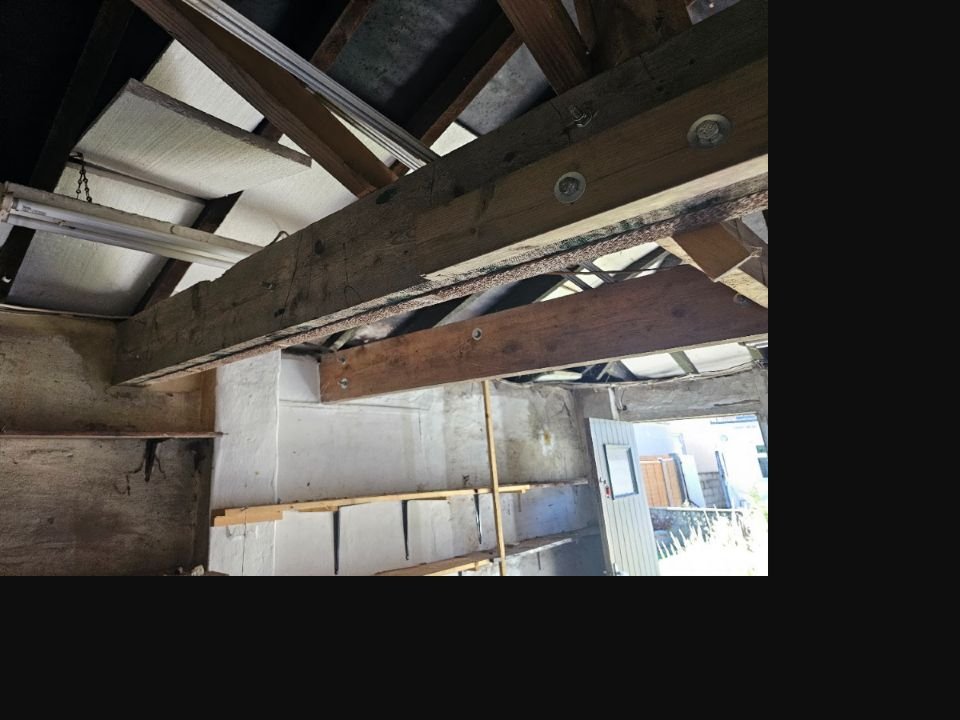
Missing alteration records
Why an apparently stable opening may still justify document checks.
Read the case study →Selling rather than buying?
Understand the property before a buyer’s survey raises the questions
Our Pre-Sale Property Survey helps sellers understand visible condition issues before or during marketing.
Get a survey quote
Send the property details and Mark will recommend the appropriate survey, confirm a fixed fee and offer the earliest available inspection date. You do not need to choose a survey level first, and there is no obligation to book.
Your surveyor: Mark Tutton BSc (Hons) MSc MRPSA ACABE. Full member of the Residential Property Surveyors Association, with an awarded MSc Surveying (Building Surveying). Mark personally inspects and reports, with a video call after you have read the report.
Sample report · Qualifications · Client reviews
Prefer WhatsApp? Send the property listing.
What clients say about their surveys


Buying in Bristol?
Level 2 Home Surveys from £695 · Level 3 Building Surveys from £995.
Both prices include VAT.
Send the property details and we’ll recommend the proportionate survey level before confirming the exact fee.